
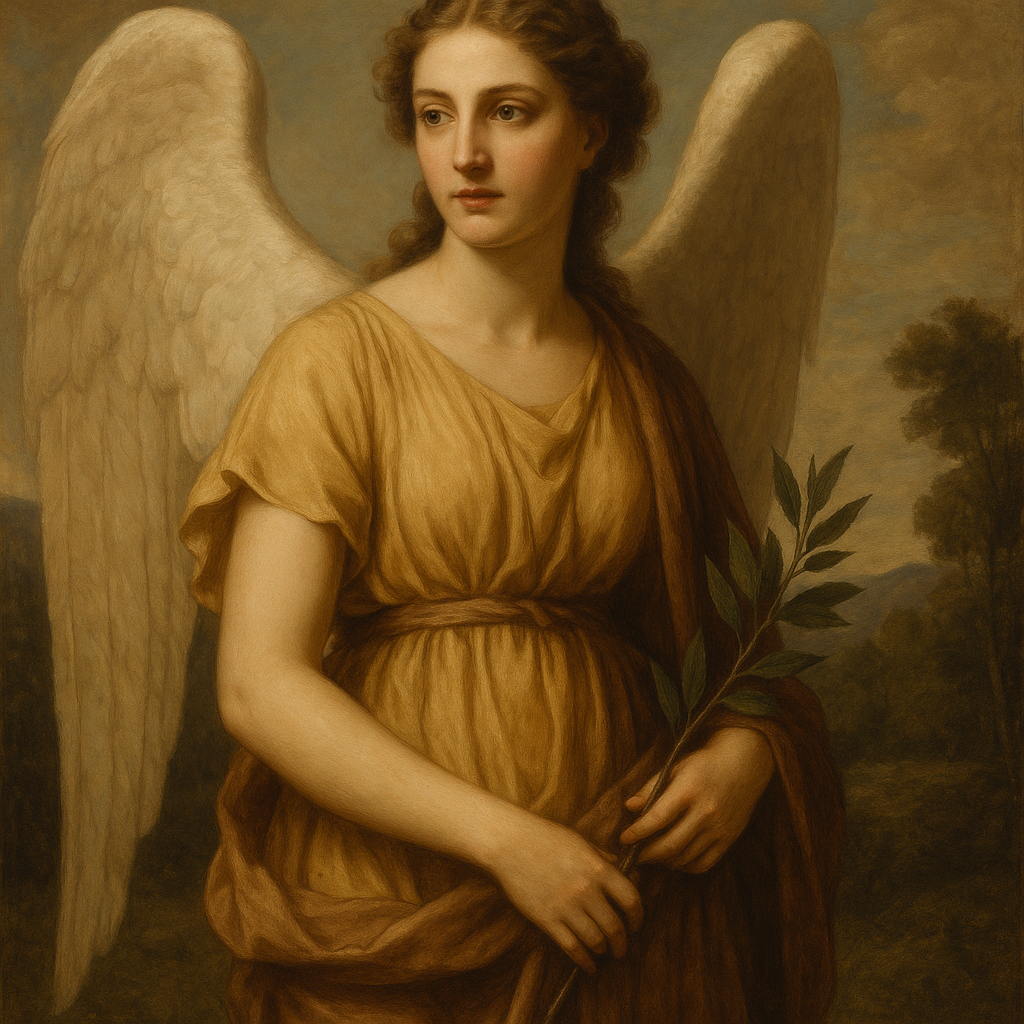
Pietas Quest Question: What is the intrinsic beauty of virtue and why does it draw us toward moral excellence?
Direct Answer
Before pietas, virtue is often reduced to utilitarian rules for social benefit or personal success, missing its deeper intrinsic worth. After pietas, virtue is recognized as moral beauty — a transcendent excellence that flows from trustworthiness, compassion, courage, and loyalty — encouraging us to cultivate it in ourselves simply because its beauty is a reward in itself.
Whatever controversies and variety of opinions there are about the nature of virtue, yet all excepting some sceptics, who deny any real difference between virtue and vice, mean by it something beautiful, or rather some kind of beauty or excellency…virtue is the beauty of those qualities and acts of the mind that are of a moral nature… - Jonathan Edwards
I’ve noticed that in discussions of virtue we often approach the topic from a utilitarian perspective, viewing it as a means to a healthy citizenry or an avenue for personal success. And while both true and good and worth talking about, if we are not careful, we risk overlooking virtue as a worthy end in and of itself. One aspect of virtue that makes it intrinsically valuable is its beauty.
I never thought to define virtue as moral beauty until reading Jonathan Edwards’ definition above. But when I consider the virtuous individuals I’ve encountered, I notice that there is a beauty in their presence and demeanor that has nothing to do with physical appearance. It flows instead from their genuine trustworthiness and compassion. It’s a beauty that springs from courage and loyalty rather than good grooming.
It’s impossible to appreciate this beauty and not see it as more than simply useful. When we comprehend the intrinsic worth of virtue, we find that we want to be around virtuous people, not because of what they can do for us, but simply because the beauty of virtue is a reward in and of itself. The virtue of others—not mere rule-following, but true moral excellence—encourages us to cultivate this quality in ourselves because we come to want what they have.
Beauty is one of those transcendent qualities that makes life worth living, and to cultivate virtue in ourselves is to expose those we interact with to a bit of that transcendence.
 Join the Pietas Quest